


Tides of Conquest
Puzala
I approached Tides of Conquest as a strategy game first and a pirate adventure second. Its central appeal is the idea of making decisions around fleets, commanders, and conflict instead of simply tapping through a short arcade session. That makes it more demanding than a quick casual game, but also more rewarding when a plan works. Developed by Puzala, it is free to start and aimed at Teen players, with optional purchases ranging from $0.99 to $199.99 per item.
My first impression was that this is best suited to players who enjoy checking a game regularly, learning its systems, and adjusting their approach after a setback. It is not the kind of title I would recommend to someone looking for a self-contained match that can be finished in a few minutes with no long-term decisions. The pirate setting gives the strategy a clear identity, yet the real reason to stay is the gradual process of understanding how to use a fleet efficiently.
Getting past the first points of friction
Where new players can get stuck
The opening hours of a strategy game often create more confusion than difficulty, and that is the main risk here. A player can see the broad objective—command pirates and fleets—but still be unsure which action deserves attention first. When several menus, upgrades, missions, or battle choices appear close together, it is tempting to touch everything at once. I found that approach less useful than choosing one immediate goal and treating the early game as a learning period.
My practical advice is to pause before spending any valuable resource. Look at what the game is asking you to improve, then decide whether the benefit helps your next battle or merely makes the account look more developed. In a strategy game, an attractive upgrade is not automatically the right upgrade. A modest improvement that solves a current weakness can be more useful than a larger investment that will matter only later.
Another common sticking point is losing a battle and assuming the answer is simply to increase power. That can work eventually, but it hides the reason for the defeat. I would first ask whether the fleet was prepared for that specific encounter, whether I committed too early, and whether I had spent resources on several unrelated improvements. This small habit turns a loss into information instead of making every setback feel like a demand to pay.
Related News

Threads in Real Life: Who Should Join, Lurk, or Leave

How SHEIN Turned Shopping Into an Endless Content Feed

How to Make Fortnite Feel Smarter on Mobile

Should You Switch to Microsoft Outlook on Mobile?

Why Gallery Keeps Pulling Users Back

X Review: Why Its Network Still Matters
The most important early skill is resource discipline, not speed. Keep a short mental record of what you are saving for, and avoid making purchases merely because the game presents a new option. This is especially important in a free game with optional in-app purchases. Players who enjoy planning will appreciate that restraint; players who dislike waiting, saving, or comparing choices may find the opening less comfortable.
Setup checks before blaming the game
Before settling into a longer session, I would make sure the device is running a compatible version of the operating system. The game supports Android 7.0 and later, so an older phone may be the first thing to check if installation or launching behaves strangely. That is a simple point, but it prevents a lot of wasted time spent changing settings that cannot solve a compatibility problem.
I also recommend allowing the initial setup to finish without repeatedly closing the game. Strategy titles can need a little patience when preparing their first playable state, and interrupting that process can make the next launch feel less reliable. If the game opens but a screen does not behave normally, I would close it once, reopen it, and test again before trying more complicated fixes.
Gallery
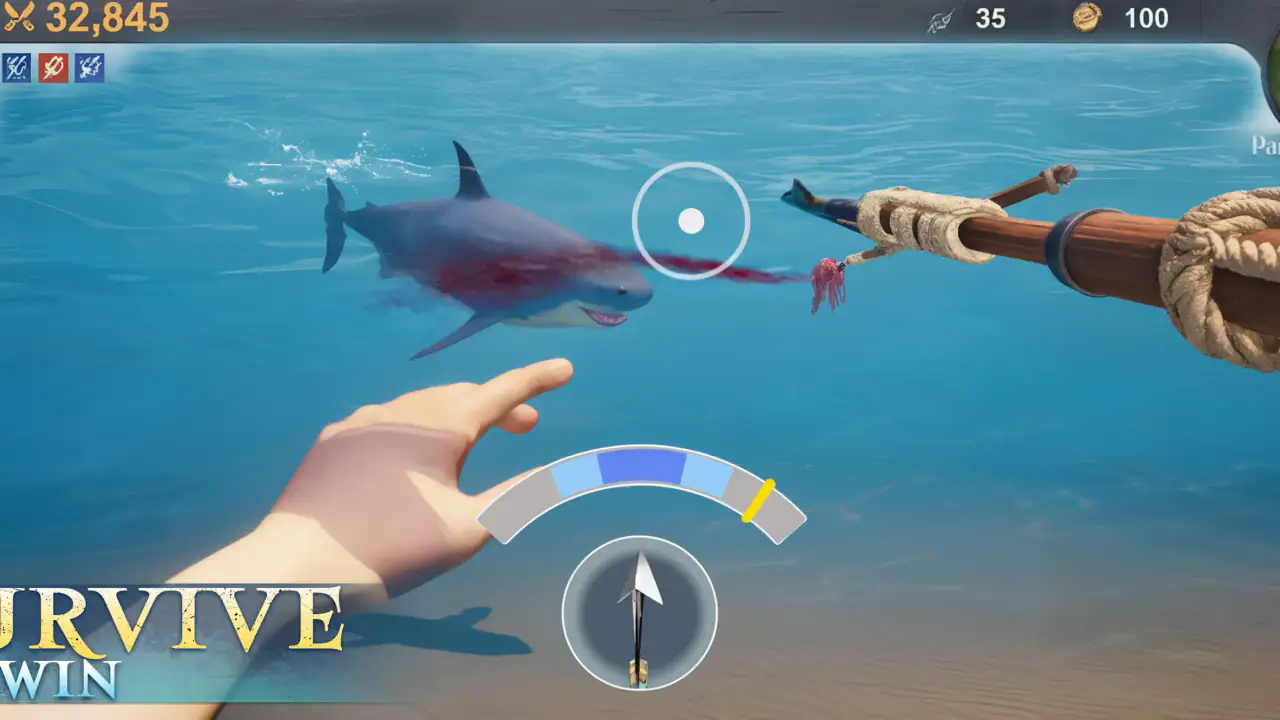
A stable connection is sensible whenever the game is loading account information, updating content, or moving between online-dependent screens. If a battle or menu takes longer than expected, switching between a weak mobile signal and a crowded wireless network can make diagnosis difficult. I prefer testing from one reliable connection, waiting for the current screen to settle, and only then deciding whether there is a genuine problem.
Storage is another practical check. A device that is nearly full can cause trouble during installation or updates, even when the game itself is not responsible. Freeing some space, restarting the device, and trying the installation again is a safer first response than repeatedly tapping the install button. I would also avoid removing app data immediately, because that can erase local progress or settings if the game has not synchronized them.
A smoother way to learn the fleet system
Instead of treating every available activity as equally urgent, I found it more helpful to establish a repeatable routine. I would begin by checking the current objective, review the fleet, make one deliberate improvement, and then enter the next encounter with a clear reason for doing so. Afterward, I would note what went wrong. This workflow reduces the feeling that the game is a collection of disconnected buttons.
That approach is useful for another reason: it shows whether a problem is strategic or technical. If the same action consistently produces the same result, the issue is probably a decision rather than a loading fault. If a menu fails to respond, progress disappears between sessions, or the game closes unexpectedly, the troubleshooting path is different. Separating those two kinds of frustration saves time and makes the review of each battle more honest.
I would also avoid spending everything after a successful encounter. Winning can create a false sense that the current setup is perfect, when in reality the next challenge may test a different weakness. Keeping a reserve gives me room to respond instead of forcing a long recovery after one poor decision. This is one of the less obvious advantages of playing slowly: I can adapt without turning every mistake into a purchase.
Recovering when progress or a session goes wrong
If the game freezes or closes, my first recovery step would be simple: relaunch it and check whether the last completed action remains visible. I would not immediately repeat a purchase, claim a reward, or begin a major upgrade until I knew what the game had recorded. Repeating an action during an uncertain connection can create confusion, particularly in a title where resources and progression matter.
When a battle goes badly, I would change one variable at a time. That might mean adjusting the fleet, delaying an upgrade, or approaching the encounter with a different objective. Changing everything at once makes it impossible to learn which choice helped. A slow recovery may feel less exciting, but it produces a clearer understanding of the game’s strategy layer.
If an update seems to have introduced unusual behavior, I would first restart the game and device, confirm that the installation completed, and test the same screen again. I would keep screenshots or notes of any missing progress before clearing data or reinstalling. Those basic records are valuable because they show exactly what happened and prevent a vague complaint from becoming an even larger loss of information.
Players should also be careful with purchases during recovery. Since the game is free to download but includes optional items priced from $0.99 up to $199.99 per item, I would never use a purchase as an emergency fix for a frozen screen, a delayed reward, or an unclear result. Technical uncertainty and spending should remain separate decisions. If the game is working normally, then a purchase can be judged on its value; if it is not, waiting is the safer option.
When the app may not be the cause
Not every slow screen points to a fault in the game. An older device, limited free storage, background downloads, heat, or an unstable connection can all make a strategy game feel less responsive. I would test after closing other demanding apps and letting the phone cool down. If the same problem affects several games, the wider device environment deserves attention before blaming this particular title.
There is also a difference between a design choice and a malfunction. A strategy game may ask the player to wait, revisit a menu, or make a decision before moving forward. That can feel inconvenient if I expected a direct action, but it is not necessarily broken. I judge the game more fairly when I first check whether the screen is actually unresponsive or simply waiting for a required choice.
The Teen content rating is worth considering for households as well. Parents should look at the game in the context of the player’s age and tolerance for conflict, competitive pressure, and optional spending. A teenager who enjoys planning and understands purchase limits may find the format engaging. A younger player who tends to spend impulsively or becomes frustrated by setbacks may need closer supervision, even though the download itself is free.
How it compares with familiar strategy alternatives
Compared with a puzzle strategy game, this is a better fit for someone who wants a continuing pirate theme and broader fleet decisions rather than a series of isolated logic problems. The trade-off is that it asks for more ongoing attention. A puzzle can often be opened, solved, and put away without affecting a wider plan; a fleet-focused game rewards remembering what was changed and why.
Compared with a fast competitive battle game, Tides of Conquest feels more appropriate for players who enjoy preparation and gradual improvement. It is less attractive if the main goal is immediate action with minimal reading or planning. A quick arena title may deliver sharper bursts of excitement, while this game’s satisfaction comes from making a better choice after learning from the previous one.
It also differs from a purely offline strategy experience. If I want a quiet game that never asks me to think about connection, updates, or account progress, another option may be more comfortable. Here, I would approach each session with the expectation that setup and continuity matter. That is not automatically a weakness, but it does make the game less convenient for travel, weak signals, or very short attention spans.
Who will enjoy it most
I would recommend this game to players who like pirate fiction, fleet management, and the satisfaction of improving through observation. It is particularly suitable for someone who enjoys asking why a battle was lost and then testing a more careful plan. The free entry point makes it easy to try without committing money, provided the player treats optional purchases as optional rather than necessary.
It is less suitable for anyone who wants a complete experience without recurring decisions, competitive pressure, or monetized extras. I would also suggest skipping it if you dislike games where progress can feel slower after an early mistake. The strategy layer is the attraction, but that same layer can feel like work when I am tired or only have a few minutes.
The game currently carries a 4.0 average from around 3.6 thousand ratings, while its listing shows over 500 thousand installs. Those figures suggest a meaningful player base and a generally positive reception, but they do not replace personal fit. I would read them as a reason to try the game, not as proof that every player will enjoy its pace or spending model.
What the current release means for new players
The current version is 1.1.780, and the game was released on June 10, 2025. For a new player, that makes it sensible to check that the installed version is current before judging a problem. A version mismatch can create behavior that disappears after updating, while an unchanged issue after a clean restart is more useful evidence of a real limitation.
I would give the game a few focused sessions rather than deciding after the first few minutes. Early menus and introductory decisions do not always show whether the strategy becomes satisfying once I understand the rhythm. At the same time, I would not force myself through a long trial if the basic loop already feels like a chore. The right test is whether curiosity grows after each session, not whether I can tolerate the first one.
My practical verdict
After looking at it as both a game and a daily-use app, I see Tides of Conquest as a reasonable choice for patient strategy fans who want a pirate-themed reason to plan around fleets. Its strongest quality is the way it encourages deliberate decisions: saving resources, identifying weaknesses, and changing one part of a plan instead of reacting blindly. That gives the free download genuine value before any purchase is considered.
Its friction is equally clear. New players may need time to understand what deserves attention, and technical-looking problems can sometimes be confused with ordinary strategy setbacks or device issues. The optional purchase range also means I would recommend setting a spending limit before playing. The game is easiest to enjoy when money is not being used to cover uncertainty or impatience.
My final recommendation is to try it if you want a continuing fleet strategy experience and are comfortable learning through setbacks. Start with a stable connection, confirm the device meets the Android requirement, save resources until you understand their purpose, and keep technical recovery separate from spending decisions. If you prefer instant matches, a completely offline experience, or a game with no monetized extras, a different strategy option will probably suit you better. For the right player, though, this is a thoughtful pirate command game worth giving a careful trial.
FAQs for Tides of Conquest
What is Tides of Conquest about?
Tides of Conquest is a strategy-focused game built around exploration, territory expansion, resource management, and tactical decision-making. Players typically develop their base or settlement, gather materials, strengthen their forces, and compete for control of valuable areas. Progress depends on balancing short-term upgrades with long-term planning, so it may appeal to users who enjoy management systems, map exploration, and competitive strategy rather than quick, purely casual gameplay.
Is Tides of Conquest free to download and play?
Tides of Conquest can generally be downloaded without an upfront purchase, but players should check the store listing for the exact version available on their Android or iOS device. Like many modern strategy games, it may include optional in-app purchases for resources, upgrades, cosmetic items, or faster progression. These purchases are not always required, although they can influence the pace of development, especially during competitive events or later stages.
Does Tides of Conquest require an internet connection?
An internet connection is likely important for the main Tides of Conquest experience, particularly if the game includes online events, player-versus-player battles, shared maps, rankings, account synchronization, or alliance features. Some menus or previously loaded content may work temporarily offline, but full functionality should not be expected without a stable connection. Players should also be prepared for updates, server maintenance, and occasional connection-related interruptions.
Is Tides of Conquest suitable for beginners?
Tides of Conquest can be approachable for beginners, especially if they are familiar with strategy games, but new players should expect a learning period. The game may introduce several systems at once, including construction, research, troop development, missions, resources, and timed activities. Following the tutorial and completing early objectives is recommended. Beginners should also avoid spending valuable resources too quickly and learn which upgrades best support their preferred play style.
What should I check before downloading Tides of Conquest?
Before downloading Tides of Conquest, check the official Google Play or App Store page for device compatibility, required storage space, supported operating-system versions, age rating, and the latest privacy information. It is also worth reviewing whether the game contains advertisements, in-app purchases, or online interaction. Because strategy games often receive frequent updates, using a reliable Wi-Fi connection and keeping sufficient free storage can help prevent installation and performance problems.
Pros
- Strategic naval battles make each victory feel rewarding.
- The conquest system offers clear long-term goals.
- Different units encourage varied tactical approaches.
- The setting gives the game a distinctive maritime atmosphere.
- Shorter sessions make it suitable for playing on mobile.
Cons
- Progress can feel slow without regular play.
- Some battles may become repetitive over time.
- Managing several resources can feel overwhelming at first.
- The interface may be crowded on smaller screens.
- Online features may depend heavily on an active player base.


